
“The Motor City.” Briefer and more intimately, “Motown.” Two of Detroit’s most iconic nicknames testify to the city’s rich history, in this case the histories of the automotive and music industries. So much greatness has come out of Detroit, and I am loving the opportunities to explore it all! For today, I’ll focus on the “motor” part of the nickname, sharing some quick auto-world facts, as well as my most sentimental attachment to history in Detroit.
Motor City: Quick Facts
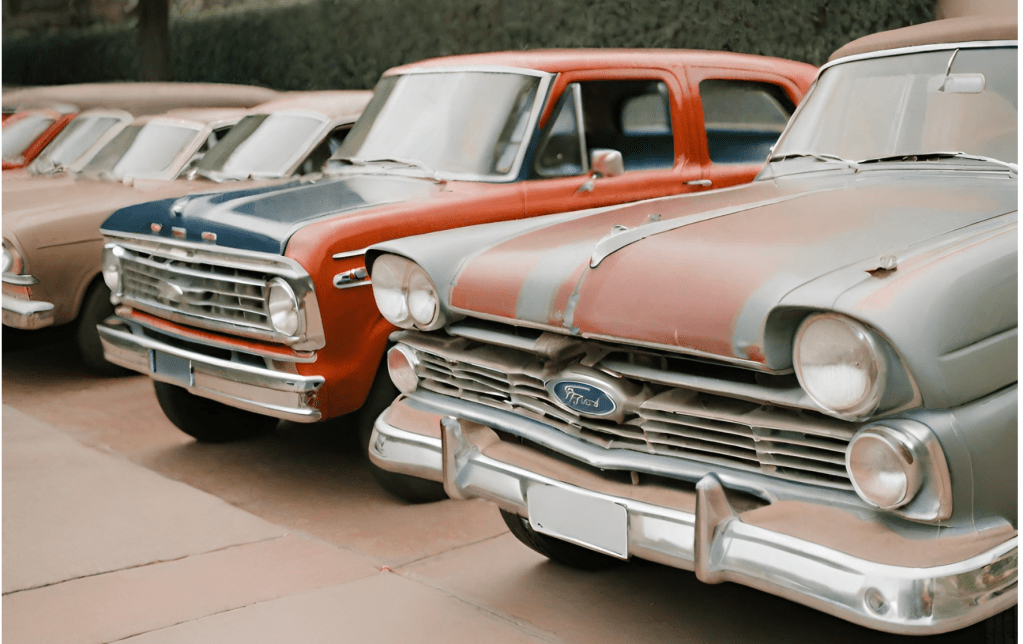
As you would expect from the Motor City, a lot of Detroit’s most impactful historic moments connect to the auto world. The first fact most people learn is that Detroit is home to the “Big Three” American auto makers: General Motors, Ford, and the Chrysler Corporation (now part of Stellantis, the parent company of Chrysler, Jeep, and more). I remember learning in history class that the moving assembly line was invented here by Henry Ford–in 1913, at the Highland Park Ford Plant. These are big-picture auto industry facts in Detroit’s history.
Some of Detroit’s car facts are lesser known but just as fun. Did you know, for example, that the first mile of paved (concrete) road in the world was in Detroit? That claim to fame goes to the stretch of Woodward Avenue between 6 and 7 Mile roads. Woodward Avenue was also home to the world’s first three-colored traffic light (which simultaneously became the world’s first four-way traffic signal), at Woodward’s intersection with Michigan Avenue. While we’re on the subject of roads: It was in Detroit, too, that Edward N. Hines got the idea to paint lines down the middle of the road to divide different lanes of traffic. We take things like pavement, road lines, and traffic lights for granted, but they all had to come from somewhere–and that somewhere was Detroit!
My Favorite Place for History in Detroit
Detroit itself has a fascinating history, and it’s also been home to people who prioritize the stewardship of history (be it local, American, or world history). One of those people was Henry Ford.
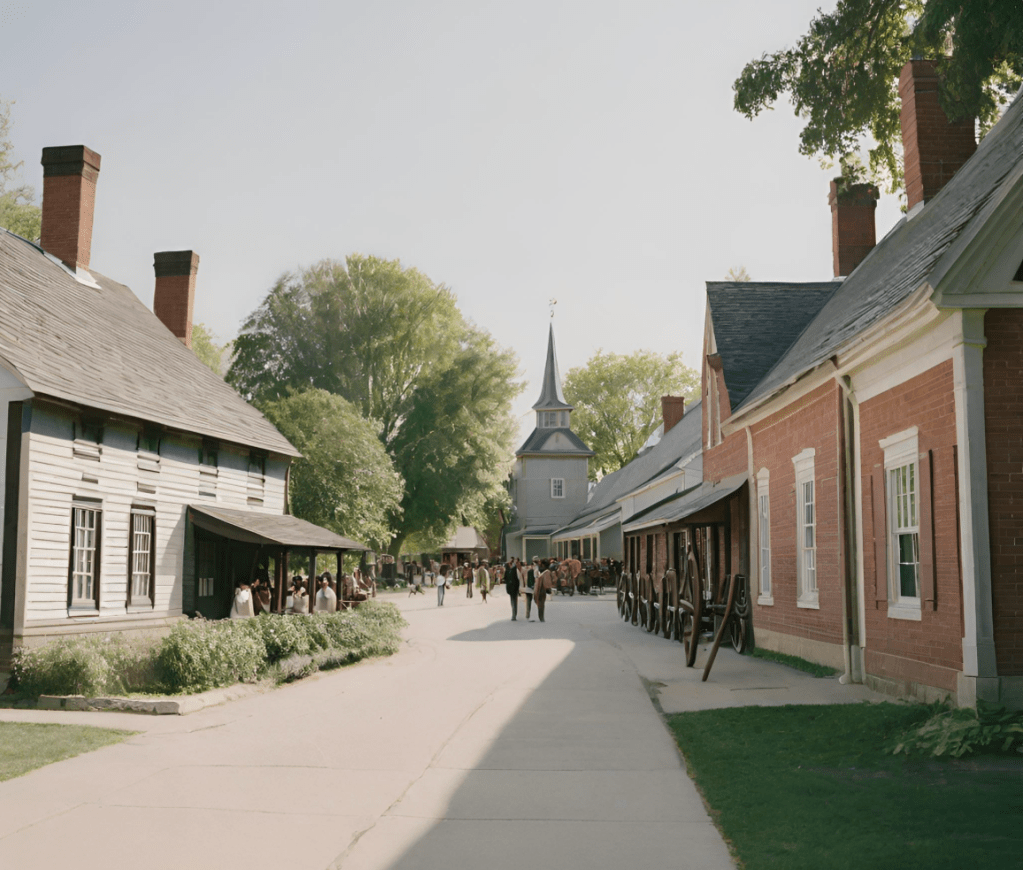
When I hear the word “history” paired with “Detroit,” the first place that comes to mind is Greenfield Village, which, itself paired with the adjacent Henry Ford Museum, is a world-class local experience imagined and implemented by Ford (and countless people with him, surely). At Greenfield Village, you can walk through American history. It’s more than just a passive walk-through for visitors, however, as the museum encourages, “Tap into your can-do spirit”:
“Step foot in the lab where Thomas Edison had his lightbulb moment or the workshop where the Wright brothers taught us to reach for the sky. Take a ride in a real Model T, or a walk through our four working farms. Rub shoulders with world-class artisans, and explore the place where America’s can-do spirit inspires you to go out and get it done.”
https://www.thehenryford.org/visit/greenfield-village/
A good museum ought to be the site of torch passing, moving visitors to continue the conversations and take up the tasks our ancestors started. This museum does just that!
I’ve spoken with a number of locals who have memberships to the museum, and they agree that they learn and appreciate something different with each visit. On a recent trip to the Henry Ford Museum, I was struck by the presidential car collection. (No pun intended.) Walking down a rather nondescript corridor, past a gift shop, I walked up to the car JFK was riding in when he was assassinated, and the car Reagan was in when a would-be assassin shot at him. These items are infused with significance that stops you in your tracks, with their value so readily apparent—even to those, like me, who weren’t alive for those major American events.
One thing that this presidential auto exhibit clearly exemplifies: Henry Ford was blessed with resources that allowed him to make this museum into something truly special and great. He said of his eponymous museum, “I am collecting the history of our people as written into things their hands made and used.”

Not only what their hands made and used, though, Ford collected the very ground beneath their feet: He famously had the soil beneath the buildings picked up and brought to Metro Detroit. There’s an extra layer (literally) of originality and authenticity that evokes next-level nostalgia as you walk the grounds.
I went to Greenfield Village with my dad once, and he has since commented that with age, he has appreciated more and more “what Ford was doing” when he made the museum: “He collected all these places that he had a sentimental attachment to. I can imagine him just walking through there alone after hours: ‘There’s Dad’s shop. There’s Tom’s lab…’” These places were personal to Ford, but also significant to Americans in general: “When we are through,” he said, “we shall have reproduced American life as lived, and that, I think, is the best way of preserving at least a part of our history and tradition.” I love that so much of the history of American life is preserved here in Detroit, where I can so readily live it.
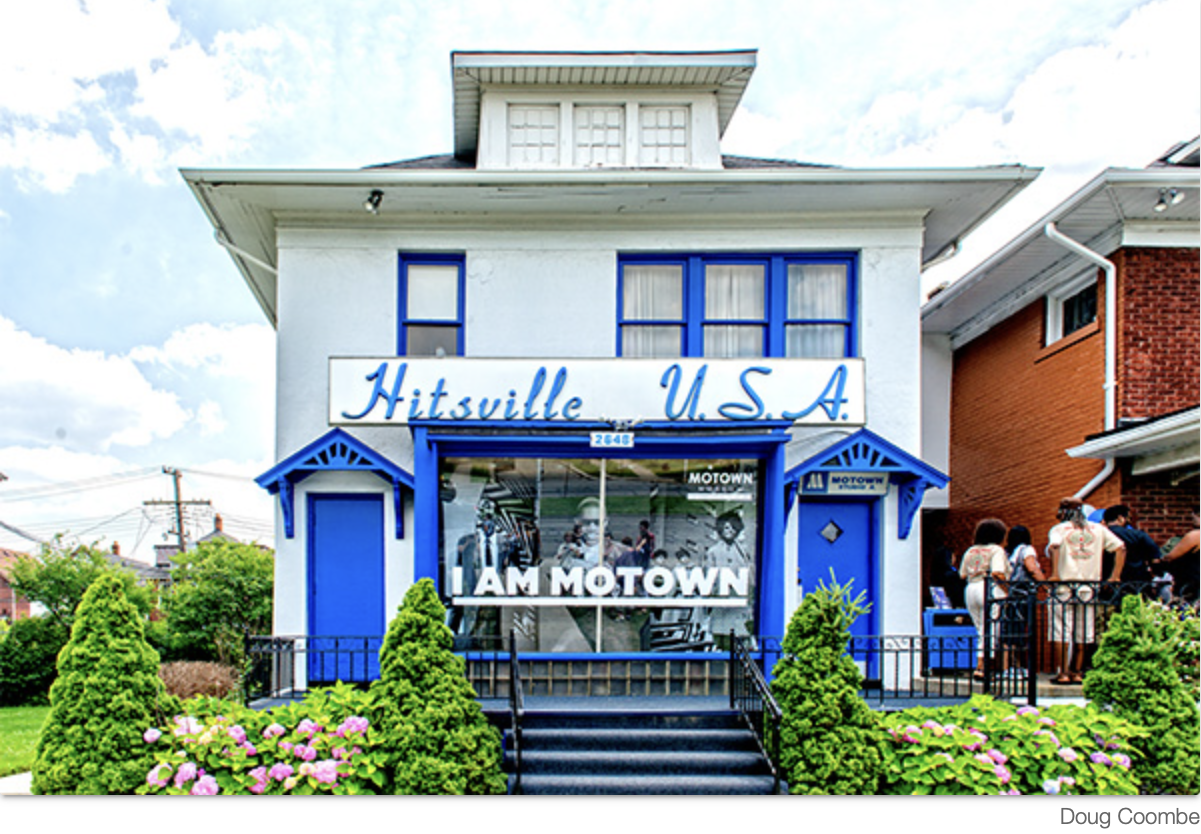
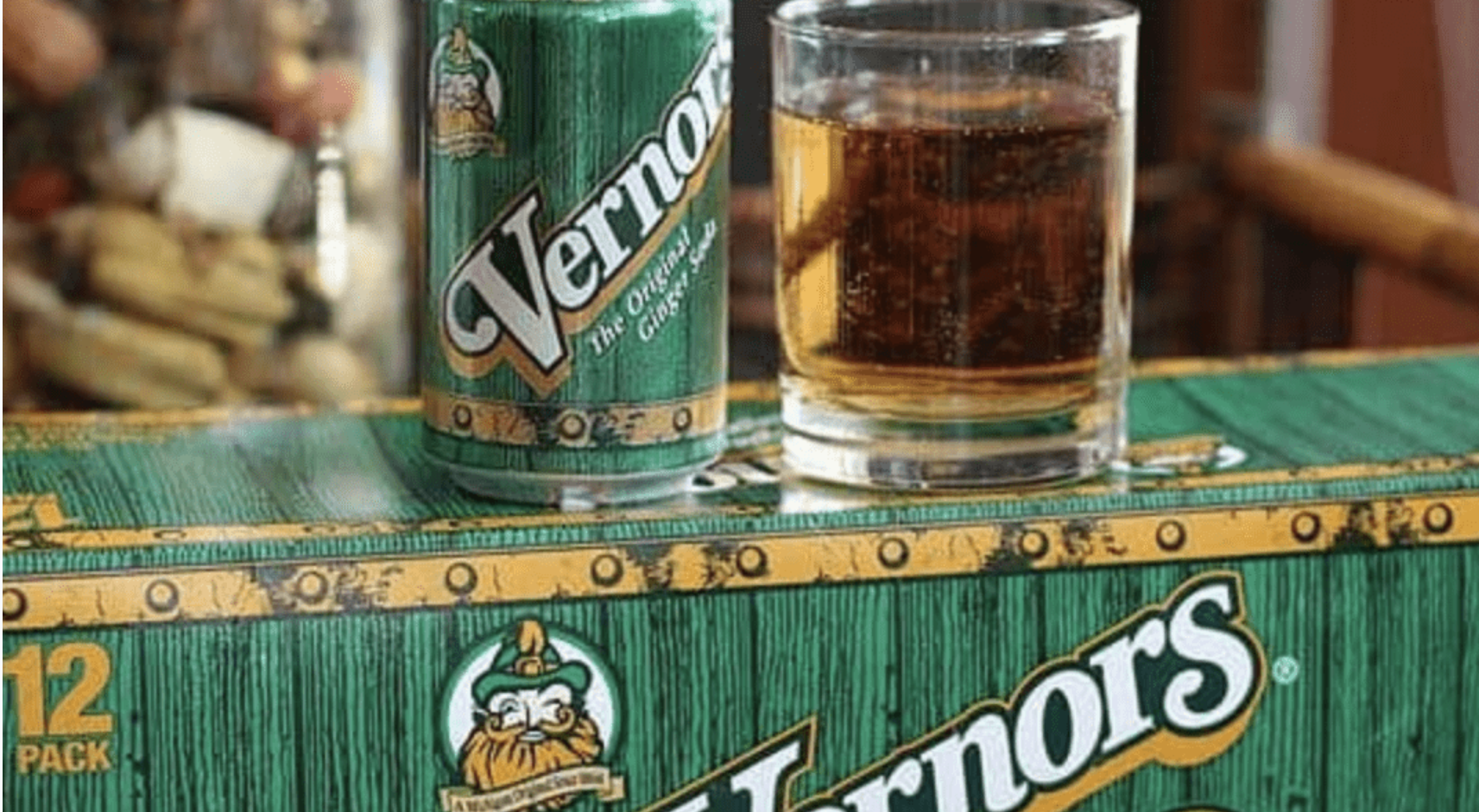
There’s so much more of it to explore and to document here: I still need to try Vernors, the local carbonated beverage (which, for the record, I still like to call “pop”). I still need to go visit Hitsville USA and Exhibit 3000, newly renovated museums celebrating the history of Detroit’s iconic, home-grown sounds. I’ve heard only good things about the Charles H. Wright Museum of African American History here, too. I’ll report back!
Up Next: The Fall
Sources:
- https://www.thehenryford.org/history-and-mission/creating-our-campus/
- https://cdn.visitdetroit.com/content/uploads/2019/08/28104931/Detroit-Fast-Facts.pdf
- Hitsville USA photo, courtesy of https://www.modeldmedia.com/features/Hitsville-vs-Soulsville-102115.aspx
- Vernon’s photo, courtesy of https://www.awesomemitten.com/vernors-michigans-oldest-soda/
Recommended Resource:
- I’ve really been enjoying listening to The Detroit History Podcast. Some episodes relevant to this post include, “The 1960s and General Motors: Consumerism Hits The Big Three,” “The Birth and Growth of Detroit Techno,” and “Vernors, the Nectar of the Gods.”
 Detroit, Reformed.
Leave a comment